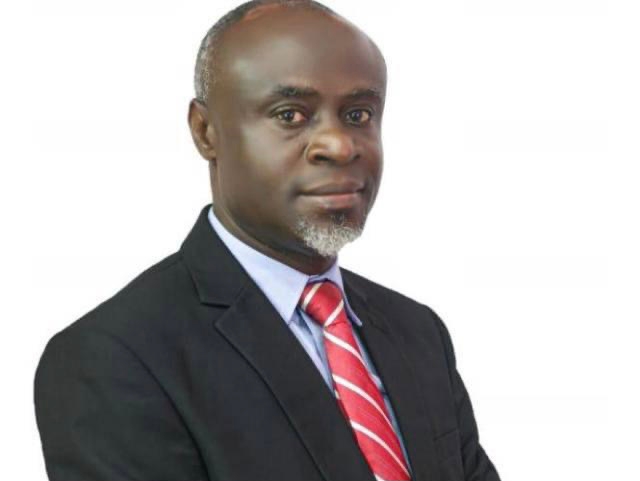
sierra Leone’s electoral reform process has reached a sensitive moment. While lawmakers are still considering major changes to election governance, President Julius Maada Bio has moved to appoint the acting head of the Electoral Commission for Sierra Leone Edmond Sylvester Alpha as its substantive chairman. The President did inform all registered political parties via a letter giving them three days to respond.
The decision has reopened debate about timing, legality, and political trust — three elements that remain central to the country’s democratic stability.
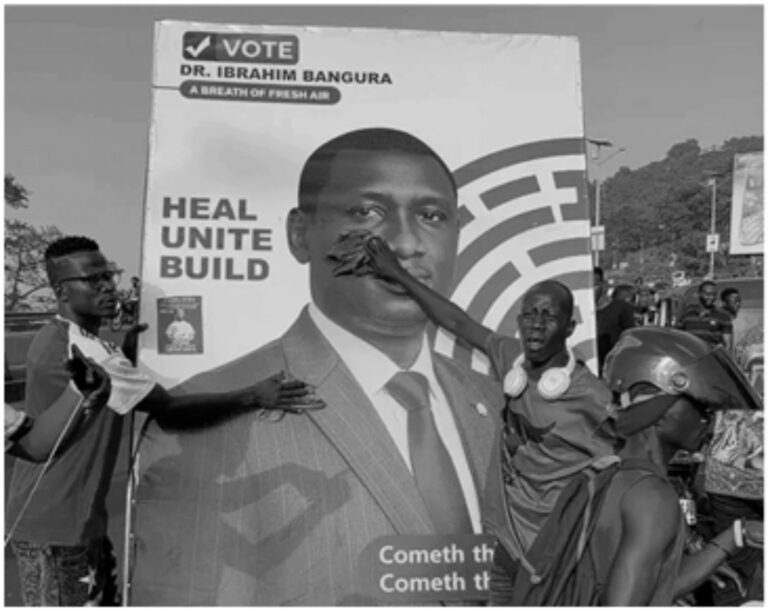
The discussion cannot be separated from the events surrounding the 2023 elections. That vote produced significant disagreement over the credibility of the results. The opposition All People’s Congress and several observer groups questioned aspects of the process, especially results management and transparency. The political tension that followed led to protests, negotiations, and international engagement aimed at restoring confidence and preventing further instability.
Out of that difficult period came a structured dialogue mechanism widely known as the Tripartite Committee. It brought together representatives of the government, the opposition, and civil society, with international partners playing a supportive role. Its purpose was to review the disputed electoral process and recommend institutional and legal reforms that could strengthen future elections.
The committee’s reform discussions reportedly addressed several key areas tied directly to the conduct and management of elections. These included improving transparency in results collation and publication, strengthening multi-party oversight at tally centers, clarifying procedures for results transmission, tightening dispute resolution mechanisms, and — importantly — revisiting how leadership of the electoral commission is selected in order to enhance independence and public trust.
Some of these reform proposals have since been reflected in a draft electoral reform Bill now before Parliament, which seeks to update elements of the country’s long-standing 1991 constitutional and electoral framework. However, the Bill remains under consideration and has not yet become law.
It is within this transitional window that the President proceeded with the appointment of the commission’s substantive chairman after consulting political parties and allowing a short response period. Supporters of the move argue that the decision rests on clear constitutional authority under the current legal framework. In their view, until any reform law is passed, the existing rules remain fully operative. They also point to administrative practicality: with the next election cycle approaching, they say the commission needs fully empowered leadership to make binding operational decisions and begin long-term preparations.
Critics, however, question whether the timing aligns with the spirit of the reform process. Because the method of appointing the electoral commission’s leadership was itself one of the subjects under review, they argue that confirming a permanent chair before reforms are concluded may complicate implementation later. Concerns have also been raised about tenure protections. If the chair holds a fixed multi-year term, future replacement under a new legal framework might require carefully written transition provisions. Without such clauses, legal uncertainty or court challenges could arise.
At the heart of the debate are broader institutional questions rather than purely partisan ones. Does acting within current law automatically make a decision institutionally wise during a reform transition? Should reform sequencing — reform first, appointment after — carry greater weight in sensitive governance areas? And how can policymakers minimize uncertainty while maintaining administrative continuity?
The implications extend beyond legal interpretation. Electoral management bodies depend not only on statutory authority but also on stakeholder confidence. Where trust is fragile, timing decisions can have outsized political effects. Even technically lawful steps may be viewed through a credibility lens shaped by recent disputes.
Looking ahead to the 2028 elections, the central risk is not simply procedural disagreement but confidence erosion. Sierra Leone’s democracy would be poorly served by another disputed national election followed by unrest similar to what the country experienced after the 2023 vote. Preventing that outcome requires more than legal correctness — it requires visible fairness, broad consultation, and cross-party reassurance.
Both government and opposition therefore face a shared responsibility. The government is expected to demonstrate that reform commitments are substantive and not merely procedural. The opposition is expected to engage constructively so that reform efforts produce workable institutions rather than prolonged deadlock. Electoral governance works best when its foundations are jointly reinforced rather than competitively tested.
This moment in Sierra Leone’s reform journey is therefore not just about one appointment. It is about how transitional decisions are made while rules are being rewritten — and how political actors balance authority, timing, and trust in the service of democratic stability. The choices made now will echo into the next election cycle and beyond.
Tejan Lamboi, based in Berlin, is a journalist, researcher and diversity expert focused on institutional change in both public and private institutions across Germany.